The FIDEM Foundation hosted its annual conference, “Give to Gain: Building a Balanced Future for 21st Century Work and Life,” bringing together policymakers, employers, academics and civil society to discuss the realities of balancing work and family life in Malta.
The event was attended by ambassadors, members of the Opposition, employers, union representatives, students and professionals from various sectors.
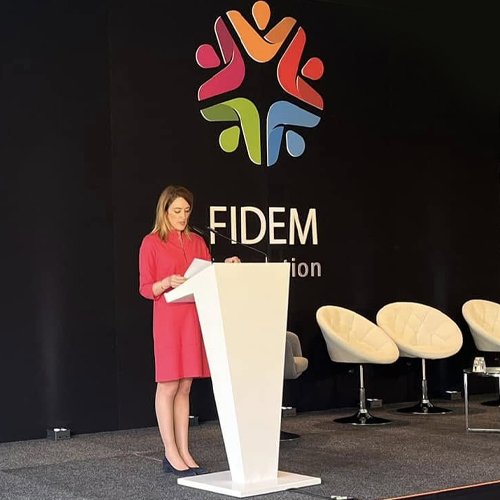
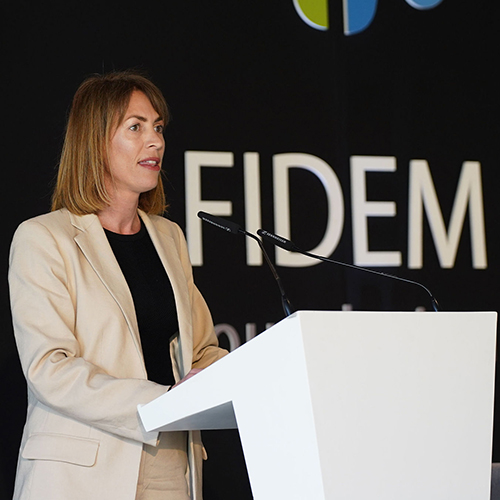
The conference opened with addresses by Dr. Sabine Agius Cabourdin, Founder of the FIDEM Foundation, Judith Valletta, Managing Director, and Coryse Borg, rapporteur of last year’s conference. The programme included two panel discussions and two workshops, focusing on both the visible and invisible pressures faced by working families.
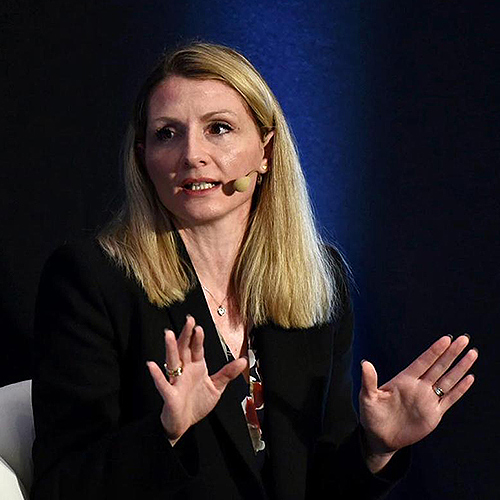
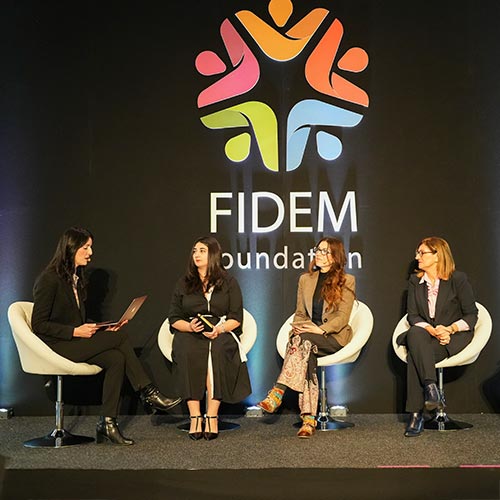
During the first panel, Prof. Anna Borg presented research highlighting the gap between changing perceptions of gender equality and the reality experienced in households. While 96.5% of respondents agree that both parents should contribute to raising children, the data shows that responsibilities remain largely unequal. Only 1% of men report taking on more childcare responsibilities, compared to 46.6% of women, while 32.7% of couples say they share childcare duties.
The research also highlighted the limited uptake of family-related leave by men. In the public sector, 1.9% of men take parental leave, 2.8% take a career break, and between 5–7% opt for reduced working hours.
The growing “time squeeze” faced by families was also discussed, with 67.6% of women and 58.6% of men reporting difficulties fulfilling family responsibilities at times or frequently.
Speakers noted that women often carry the additional burden of invisible work, including organising family logistics, school communication and emotional labour.
These inequalities have wider economic and social implications. Malta continues to record a gender pay gap of 5.1% and a pension gap of 41.7%, while the country’s fertility rate of 1.06 remains among the lowest in Europe.
Panelists also shared personal experiences illustrating the challenges faced by families. One mother described the impact of pausing her career to care for a child with spina bifida, highlighting the additional responsibilities that parents of children with disabilities face, including frequent medical appointments and specialised care.
The conference also explored structural issues within the labour market, including rigid working hours. Some participants suggested that alternative models, such as a 32-hour work week, could help address work-life pressures, although employers noted challenges in implementing such changes, particularly for small businesses.
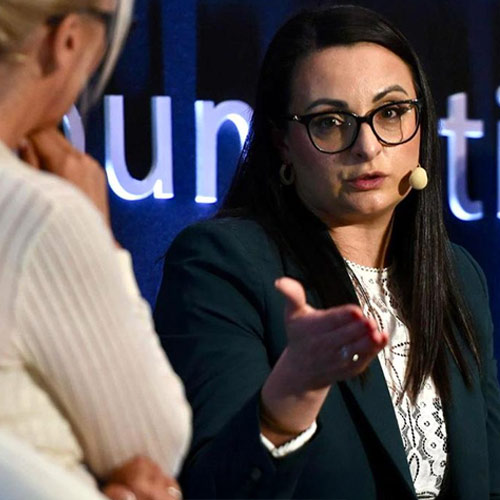
The second panel, moderated by Ariadne Massa, focused on the invisible load carried by employees, including mental health pressures, illness, domestic violence and unconscious bias. Speakers emphasised the importance of workplace awareness and supportive policies, noting that issues such as domestic violence often follow individuals into the workplace and can significantly affect wellbeing and productivity.
Examples of supportive workplace practices were also shared. A representative from APS Bank highlighted initiatives aimed at supporting employees facing personal difficulties, including employee funds that assist staff dealing with health challenges or family
emergencies, as well as flexible work arrangements and hybrid working policies.
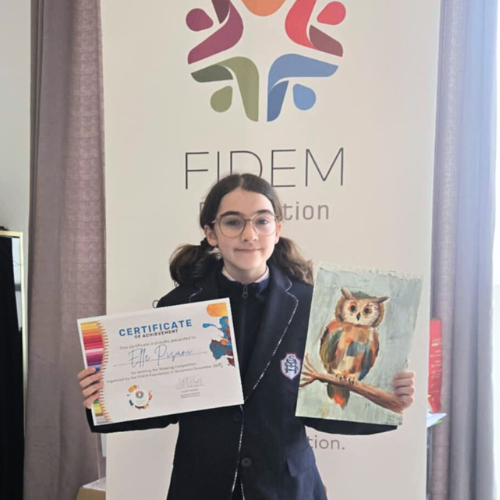
Students attending the conference also shared their perspectives on growing up in households where parents juggle demanding careers and family life. Some noted that while they appreciate their parents’ efforts to provide for their families, seeing the stress associated with balancing work and life raises questions about how they themselves will manage these challenges in the future.
Throughout the conference, speakers emphasised that addressing work-life pressures requires cultural change, supportive workplace practices and policy reforms that recognise both the visible and invisible responsibilities carried by individuals and families.
The FIDEM Foundation said the conference forms part of its ongoing efforts to promote dialogue and practical solutions that support a healthier balance between work, family life and personal wellbeing.
The conference was supported by APS Bank, Brown's and Bonnici Insurance.
.png)